MCU Controversies: 5 Major Marvel Disputes and Behind-the-Scenes Issues
Shikhar Jauhari
August 15, 2026
The Marvel Cinematic Universe has crossed $30 billion at the global box office. Behind that number are five documented controversies covering talent contracts, licensing disputes, labor conditions, creator compensation, and representation that reveal how the franchise actually operates.
I’ve followed the MCU for 15 years. Long enough to have defended it in arguments, rewatched the post-credits scenes, and genuinely cared about where it was heading. That investment makes it harder, not easier, to look away from the business decisions that don’t reflect well on the franchise. This article examines five of them.
After nearly two decades of following this franchise, I’ve become more interested in how it’s made and who bears the cost when the production model fails.
The MCU is, first and foremost, a business: a multi-billion-dollar intellectual property machine owned by one of the most powerful media conglomerates on earth. The same corporate logic that produces billion-dollar films also shapes how the franchise treats its talent, its workers, and the creators who built it. When those decisions leave real people worse off, defending them out of fan loyalty doesn’t hold up.
Each section sticks to what’s been reported and said on record, not to tear the franchise down. Still, to hold it to the same scrutiny we’d apply to anything else this large and this influential.
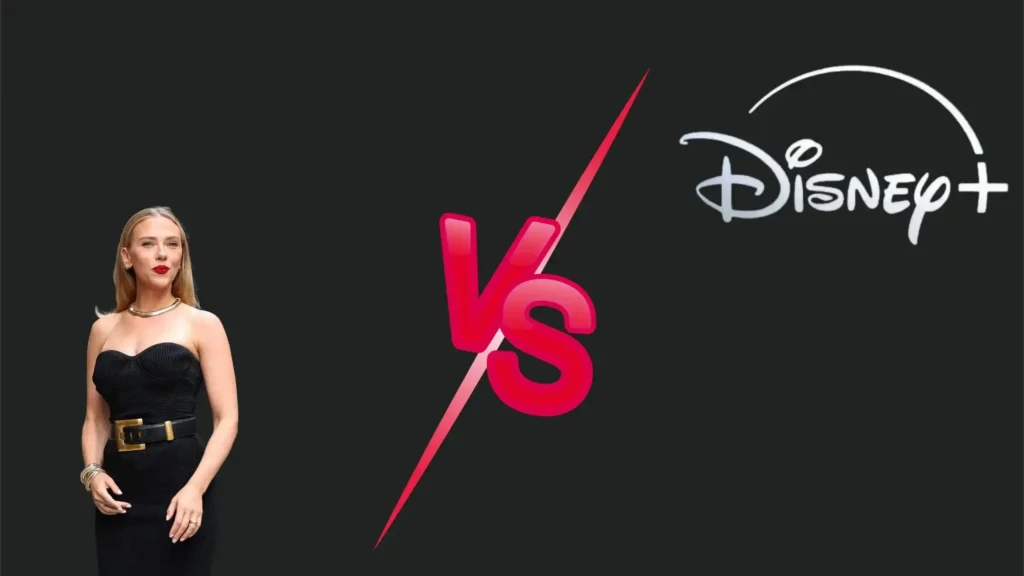
What actually happened with Scarlett Johansson vs. Disney?
The Black Widow lawsuit is, in some ways, a product of bad timing. Johansson had a contract written before streaming became a dominant distribution model, a film delayed by a global pandemic, and a studio that ultimately chose to release it in two places at once. How you read that decision depends largely on which party’s framing you find more credible. Still, the contractual specifics are more concrete than the public back-and-forth suggested.
Johansson filed suit after Disney released Black Widow simultaneously in theaters and on Disney+ Premier Access in July 2021. Her lawsuit, filed in Los Angeles Superior Court, alleged that Disney had breached her contract by abandoning the exclusive theatrical window the agreement had guaranteed. She further alleged that her backend compensation was tied directly to box office performance, meaning the day-and-date streaming release drew paying subscribers away from theaters and directly reduced what she was owed.
Disney disputed both the allegations and the framing, arguing that the simultaneous release was a reasonable response to an unprecedented public health crisis. What isn’t disputed is the structure of the dispute itself: a talent contract written before streaming was a dominant distribution model, applied to a release that happened during a pandemic, with significant financial consequences on both sides.
Disney’s public response drew criticism of its own. The studio issued a statement calling the lawsuit “sad and distressing” and claiming it “lacked merit,” language that struck many observers as unusually personal for a contract dispute. Disney also publicly disclosed Johansson’s $20 million salary, a move that shifted attention toward her earnings rather than the substance of the contract claim.
Whether that was a deliberate framing strategy or simply the studio’s defense of its position, the disclosure drew considerable pushback from industry figures who saw it as an attempt to undermine her credibility. The case was settled out of court in September 2021, per Reuters, with terms undisclosed and no public admission of wrongdoing by either party. What the episode demonstrated, regardless of where the contractual merits ultimately lay, was how quickly a dispute between a major studio and one of its highest-profile stars can become a public relations confrontation rather than a legal one.
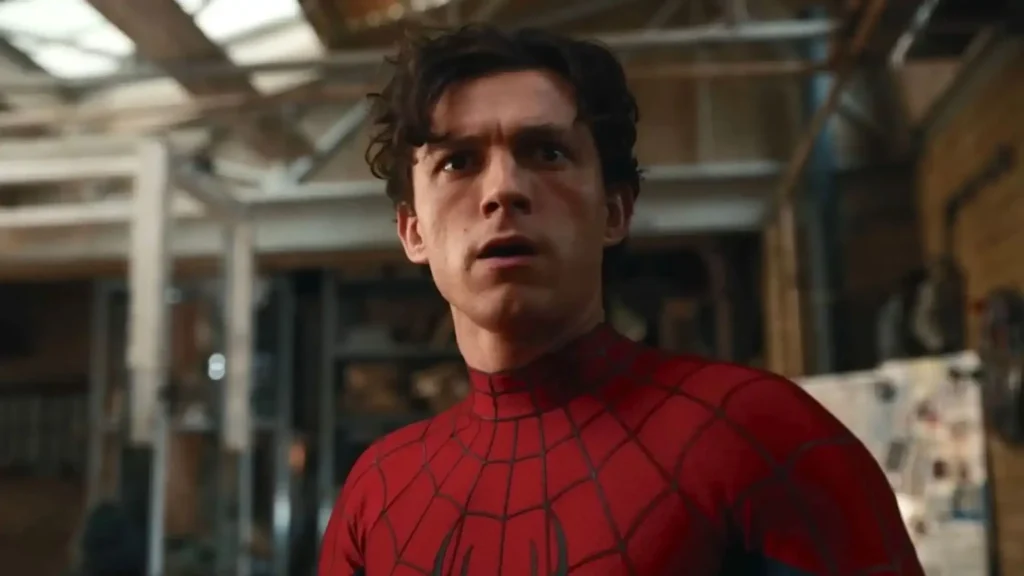
How close did Spider-Man come to leaving the MCU for good?
Most people know that Spider-Man’s presence in the MCU is the product of a licensing deal between Marvel Studios and Sony Pictures. Fewer people know just how close that deal came to collapsing entirely twice.
Marvel originally sold the Spider-Man film rights to Sony in the late 1990s when the company was hemorrhaging cash. By 2015, after Sony’s own attempts at the character had produced diminishing returns, both studios agreed to a co-production arrangement that brought Peter Parker into the MCU. The arrangement worked. Spider-Man: Homecoming was a hit. Far From Home crossed a billion dollars. Then, in August 2019, negotiations between Marvel and Sony broke down.
Sony reportedly wanted a 50/50 split of profits; Marvel countered with a demand for a significantly larger share. Talks collapsed. For roughly three weeks, it looked like Tom Holland’s Spider-Man was finished in the MCU. Holland reportedly called Bob Iger directly in the middle of a bar trivia night, according to Variety, and made an emotional personal appeal. Iger has since confirmed the call played a role in bringing both studios back to the table. A new deal was reached, and Spider-Man stayed in the MCU.
That deal ultimately ran through Spider-Man: Brand New Day, which opened in theaters on July 31, 2026. The film is now in release. What happens next whether Marvel and Sony negotiate another extension, restructure their arrangement, or eventually part ways remains an open question as of this writing. The business logic that nearly ended the partnership in 2019 hasn’t changed: Sony owns the film rights, Marvel supplies the creative infrastructure, and every new deal requires both sides to agree the arrangement is still worth it. Given how much money Spider-Man generates for both studios, another negotiation is almost certainly coming.
What is the MCU doing to its VFX workers?
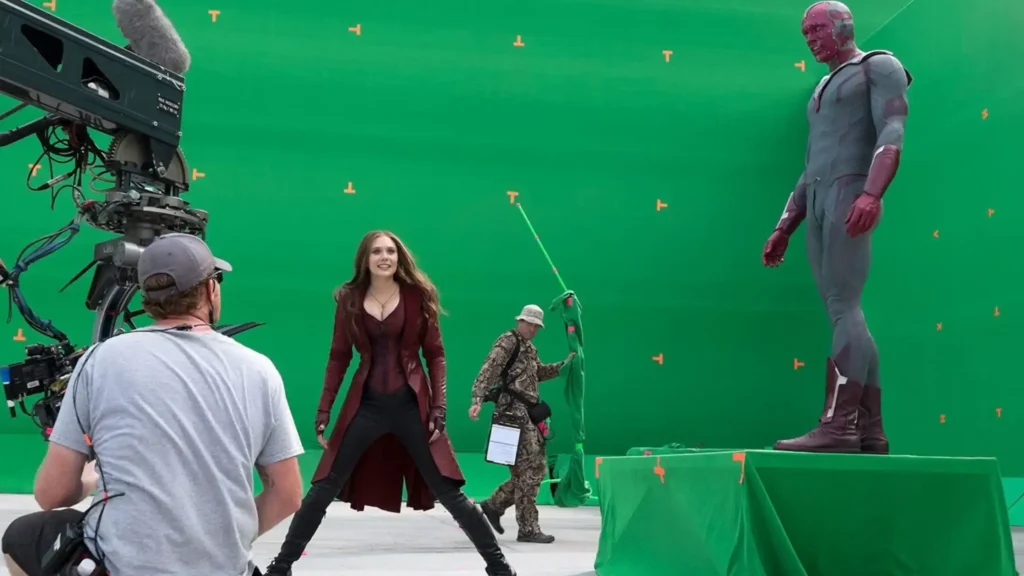
The MCU’s visual effects have become something of a running joke in recent years, and not the affectionate kind. Scenes that looked noticeably unfinished, CGI that seemed half-rendered, digital doubles that broke immersion rather than created it. Artists who worked on those productions have described the conditions publicly and on the record.
In 2022, a wave of public testimony from VFX professionals brought conditions on Marvel productions into sharp relief. Reporting by The Guardian that year included accounts from artists describing excessive hours, pay that didn’t reflect the complexity or volume of the work demanded, and timelines they considered physically unsustainable. One specific grievance that appeared repeatedly: last-minute release date changes. What reads as a routine studio announcement a film pushed two months on the calendar can, according to artists who spoke to The Guardian, trigger weeks of mandatory crunch as VFX houses scramble to compress months of work into a shortened window.
The structural problem runs deeper than individual productions. Because Marvel holds significant leverage in contract negotiations, VFX companies often underbid to secure work, then absorb the financial shortfall rather than push back on scope or timeline changes. The Guardian‘s 2022 reporting described a competitive dynamic in which studios know vendors will accept terms that leave little margin for error, let alone for paying workers adequately. The people who bear the most direct consequences are the artists themselves: the ones whose names appear briefly in credits most audiences skip, and whose working hours compress further every time a release date shifts.
How does the MCU treat the creators who invented its characters?
Ed Brubaker co-created the Winter Soldier. He resurrected Bucky Barnes from decades of obscurity, reimagined him as a Soviet assassin, and wrote one of the most celebrated Captain America storylines in comics history. When Captain America: The Winter Soldier opened in 2014 and earned $714 million at the global box office, Brubaker received a “thank you” in the credits.
Brubaker has discussed his experience publicly on multiple occasions. He has acknowledged receiving some payment from Marvel’s creator program. Still, he has expressed that the recognition, financial and otherwise, felt disconnected from the scale of the character’s commercial success. His frustration, as he’s described it, wasn’t simply about money; it was about the gap between what the Winter Soldier became on screen and what creating that character meant in practice for the people who built him on the page.
Brubaker’s experience isn’t isolated. A 2023 Hollywood Reporter investigation found that comic artists and writers whose characters appear in MCU films routinely describe the payment process as opaque and slow. Multiple creators told THR that royalty payments can take two to three months to arrive after a film’s release, and that when they sought legal advice to understand or challenge their agreements, the resulting legal fees were in some cases deducted from those royalties.
One creator told THR they were offered approximately $5,000 for a character whose film crossed $1 billion at the global box office. Marvel disputes aspects of the reporting and maintains that it operates legitimate creator contribution programs. The gap between what creators say they receive and what those characters generate on screen has nonetheless been documented in enough detail, by enough named sources, to warrant scrutiny.
Did the MCU treat its female characters as an afterthought?
For most of the franchise’s history, yes.
In a 2021 promotional interview for Black Widow, Scarlett Johansson described her early years in the franchise in terms that were direct and self-critical. She said that when her character, Natasha Romanoff, was first introduced in Iron Man 2, the focus was less on developing her as a layered character and more on presenting her as a visual spectacle, what she called being treated as “eye candy.”
The introductory scene in question spends considerable screen time on her appearance, framing her through the perspective of Tony Stark and Pepper Potts before she has spoken more than a few lines. Whether that was a deliberate creative choice or a reflection of how female characters were routinely framed in mainstream action films of that era, it’s consistent with what Johansson described: a character introduced primarily as an image rather than as a person.
The MCU’s first decade was dominated almost entirely by male protagonists. Female characters existed largely in relation to those heroes as love interests, as secondary support, occasionally as comic relief, and the franchise’s internal development pipeline reflected that priority.
When Kevin Feige was asked at a 2015 press event about a female-led MCU film, he pointed to Captain Marvel as the answer, despite the film not yet being in production. It didn’t release until 2019, four years later, and 11 years into a franchise that had by then released more than 20 films. As Birth.Movies.Death. reported at the time, Captain Marvel was pushed back on the release schedule to accommodate Spider-Man: Homecoming, a choice that illustrates, in fairly concrete terms, how the studio prioritized its projects during that period.
The MCU did eventually course-correct. WandaVision, Ms. Marvel, She-Hulk, and Captain Marvel represent a real shift: more female-led stories, more complex portrayals, more than just background presence. The franchise had 11 years and more than 20 films to get there before it did, and the timeline itself is part of the record.
A Final Note
A franchise generating tens of billions of dollars has a straightforward responsibility to the people who make that possible: VFX artists, comics creators, actors whose talent and likeness underpin the intellectual property. The five controversies covered here suggest that responsibility has, in specific and documented ways, not always been met.
The MCU is, at its best, genuinely thrilling cultural storytelling. But it operates inside a corporate structure where business logic routinely collides with the people building the universe. That’s not a reason to stop watching the films. It is a reason to be honest about the record.
The films are worth your time. So is understanding how they get made.
Did Scarlett Johansson win her lawsuit against Disney?
The lawsuit was settled out of court in September 2021 on confidential terms. Disney did not publicly admit wrongdoing, and no court issued a ruling on the merits of the underlying contract dispute. Whether the settlement favored Johansson, Disney, or neither remains unknown; the parties agreed to resolve the matter privately, and that’s where the public record ends.
Why does Marvel keep having VFX problems?
According to artists who spoke to The Guardian in 2022, MCU VFX difficulties stem from a combination of compressed production timelines, last-minute release date changes, and a competitive bidding environment that reportedly pressures VFX studios to underbid contracts. Workers described excessive hours and said the power imbalance between large studios and the VFX houses serving them made it difficult to push back on scope or schedule changes.
Does Marvel compensate comic book creators fairly?
There’s no single answer; compensation depends on individual contracts, the terms of Marvel’s creator contribution programs, and the nature of each character’s adaptation. That said, multiple creators have gone on record with reporters at The Hollywood Reporter and The Guardian describing payment delays of two to three months, legal fee deductions from royalties, and payouts they say bear little relationship to what their characters earned at the box office. Marvel disputes aspects of that reporting and maintains that its programs provide legitimate recognition. Ed Brubaker, co-creator of the Winter Soldier, is among the most prominent creators to have discussed the gap publicly, not disputing that some payment exists, but questioning whether it reflects the scale of the commercial success his work helped generate.
Is Spider-Man still in the MCU?
Spider-Man: Brand New Day opened in theaters on July 31, 2026, confirming Tom Holland’s continued presence in the MCU through that film. What comes after is genuinely unclear. The Sony/Marvel licensing arrangement will eventually require renegotiation, as it has before, and the same underlying tensions over profit splits and creative control that nearly ended the partnership in 2019 remain unresolved. Whether a new deal gets done, and on what terms, is an open question as of August 2026.
Has the MCU improved its treatment of female characters?
In meaningful ways, yes, but the improvement took time, and the early record is worth being precise about. Scarlett Johansson said in a 2021 interview that her character was initially framed as “eye candy” rather than developed as a real character that’s her own reflection, not a critic’s reading. The franchise has since expanded considerably: multiple female-led projects, more prominent roles, and more complex characterization than the early films offered. Whether that shift goes far enough is a matter of perspective, but the direction of change is documented.
Sources & Publication Notes
Last updated: August 2026. Time-sensitive sections including the Spider-Man rights situation and MCU release timeline have been refreshed to reflect developments current as of this date.
Primary sources and reporting: This analysis draws on coverage from Reuters, CNBC, Variety, The Hollywood Reporter, The Guardian, and Marvel’s official channels.
Shikhar Jauhari is an entrepreneur, journalist, and digital content strategist with expertise in SEO, WordPress, and online publishing. He is the founder and editor of WRI News, where he covers entertainment, finance, government schemes & lifestyle. With a strong focus on delivering accurate, engaging, and reader-first content, he combines editorial excellence with data-driven SEO strategies to create content.
Over the years, Shikhar has worked as a content writer, editor, website manager, SEO specialist, business analyst, and finance professional for media platforms, businesses, and digital agencies. His experience spans content management, business strategy, taxation, accounting, and digital marketing, enabling him to approach every project with both editorial insight and strategic thinking.